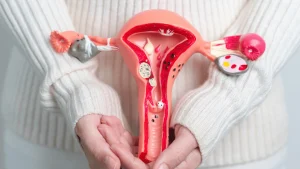
Fertility treatment options are designed to help individuals and couples overcome infertility and achieve their dream of starting a family. These treatments range from simple interventions, like lifestyle changes and timed intercourse, to more advanced assisted reproductive technologies such as intrauterine insemination (IUI) and in vitro fertilization (IVF). A fertility specialist will evaluate your unique situation, whether you’re dealing with mild male factor infertility, unexplained infertility, or require donor sperm, and recommend the most appropriate approach.
Fertility medications, including oral or injectable medications, may be used to induce ovulation or stimulate the ovaries to produce multiple eggs, increasing the chances of conception. Understanding the full spectrum of fertility treatment options, from IUI to IVF, empowers you to make informed decisions about your fertility journey.
What’s The Difference Between IVF And IUI?
When patients ask about IVF vs IUI, they’re usually trying to understand which fertility treatment makes the most sense for their situation. Both are forms of assisted reproductive technologies (iui vs vf), but they differ in how they approach fertilization and how much control we have over the process. (IUI is also known as artificial insemination.)
Intrauterine insemination involves placing a prepared semen sample directly into the uterus using a thin catheter around the time of ovulation. IUI, or artificial insemination, involves placing sperm directly into the uterus to facilitate fertilization. The goal is to bring motile sperm closer to the egg and improve the chances of natural fertilization.
In vitro fertilization works differently. Eggs are retrieved from the ovaries, fertilized in a lab. The fertilized egg (embryo) is then transferred back into the uterus. IVF allows for more control over fertilization, embryo selection, and timing. IVF success depends on retrieving healthy eggs and using healthy sperm for fertilization.
The IUI Process
The IUI process is straightforward and minimally invasive, making it a popular first-line fertility treatment. Most women begin an IUI cycle by taking fertility medications (either tablets or injectable medications) to induce ovulation and optimize the timing for conception. In some cases, a natural cycle without medication is used, especially for those with mild male factor infertility or when using donor sperm. On the day of the procedure, a semen sample is collected and processed in the lab to concentrate the healthiest sperm. Using a thin catheter, the provider places the prepared sperm directly into the uterus, reducing the distance sperm must travel to reach the egg.
The entire procedure typically takes just a few minutes and is usually painless, though some women may experience mild cramping. IUI is a versatile option that can be tailored to individual needs, whether or not fertility medications are involved.
When Is Intrauterine Insemination The Right Fertility Treatment?
IUI is often recommended as a first step because it is less invasive and more cost-effective than IVF. The procedure is quick, requires little downtime, and can be performed during a natural cycle or alongside fertility medications.
We typically recommend IUI in cases such as:
- Mild male factor infertility with adequate motile sperm
- Unexplained infertility
- Ovulation problems that respond to oral or injectable medications
- Use of donor sperm
- Cervical factors that affect sperm movement
IUI success rates average around 10% per cycle, though they can be higher in younger patients or when fertility challenges are minimal. Many couples require multiple cycles, and it’s common to complete 3–6 IUI cycles before considering other fertility treatments.
When Does IVF Make More Sense?
IVF is usually recommended when there are more complex fertility challenges or when other treatments are unlikely to succeed.
Common scenarios where IVF is more appropriate include:
- Blocked fallopian tubes or significant tubal disease, including cases with pelvic adhesions often associated with endometriosis
- Severe male infertility, including very low sperm count; in situations where the chances of conception with one’s own eggs or sperm are very low, using donor eggs or sperm may be considered
- Endometriosis affecting reproductive function
- Diminished ovarian reserve; for women with poor egg quality or age-related infertility, the use of donor eggs can significantly improve the chances of success
- Failed IUI cycles
- The need for genetic testing through preimplantation genetic testing
The egg retrieval process in IVF is a minor surgical procedure performed to collect eggs for fertilization.
IVF may also involve advanced techniques such as intracytoplasmic sperm injection, where a single sperm is injected directly into an egg to improve fertilization. For patients whose uterus cannot carry a pregnancy, using a gestational carrier is another option within assisted reproductive technologies.
Because IVF bypasses several steps that occur naturally in the body, it often provides higher success rates, especially in more complex cases.
IVF Vs IUI Success Rates: What Should You Expect?
Success rates are one of the biggest factors patients consider when comparing IUI vs IVF.
Every individual’s situation is unique, and the specialists at our clinic will carefully evaluate your health, fertility diagnosis, and personal circumstances to determine the most appropriate treatment option for you. This personalized approach ensures that your fertility plan aligns with your specific needs and goals, rather than relying solely on general statistics.
In general, across the United States, these success rates and cost estimates represent standard averages and may not reflect your personal fertility journey:
- IUI success rates average around 10% per cycle
- IVF success rates are significantly higher, with live birth rates approaching 50% for patients under 35
- Women under 35 may have close to a 50% chance of success from a single IVF egg retrieval and embryo transfer sequence
It’s also important to consider efficiency. While IUI is less expensive, multiple cycles are often needed to achieve similar outcomes to one IVF cycle.
How IVF Cost and Complexity Compare
Cost and complexity play a major role in choosing the right fertility treatment.
Typical ranges include:
- IUI cycles: approximately $1,000 to $3,000 per cycle, depending on medication use
- IVF cycles: In Vitro Fertilization (IVF) typically costs between $12,000 and $20,000 per cycle, not including medication, which can add an additional $2,000 to $6,000
Beyond cost, IVF requires a more complex and invasive process compared to IUI. The IVF process involves several medical steps: hormone injections to stimulate egg production, egg retrieval under sedation, fertilization in the lab, and embryo transfer into the uterus. There is also the option to freeze remaining embryos. This process can feel more demanding physically and emotionally.
IUI, by comparison, is simpler and less invasive, which is why it is often the starting point when appropriate.
Potential Risks and Complications
While fertility treatments like IUI and IVF offer hope to many, it’s important to be aware of potential risks and complications. IUI carries a small risk of infection and may increase the likelihood of multiple pregnancies, especially when fertility medications are used. IVF, being a more complex procedure, can lead to ovarian hyperstimulation syndrome (OHSS), where the ovaries become swollen and painful, or, rarely, ectopic pregnancy, where the embryo implants outside the uterus.
Certain underlying conditions (such as severe male factor infertility, diminished ovarian reserve, blocked fallopian tubes, or other structural issues) can also affect the success and safety of these treatments.
A fertility specialist will carefully assess your medical history and discuss these risks with you, ensuring you understand how your individual circumstances may impact your fertility treatment plan.
How Do We Decide Between IVF And IUI?
Choosing the right fertility treatment depends on a full infertility evaluation and a clear understanding of your diagnosis. Infertility testing is used to diagnose the cause of infertility and guide treatment decisions, helping to identify potential issues and determine the most appropriate approach.
We consider:
- Age and ovarian reserve
- Results from blood tests and imaging
- Sperm quality and semen analysis results
- Whether the fallopian tubes are open
- Previous treatment history
A reproductive endocrinologist uses this information to recommend the option most likely to improve fertility while respecting your timeline and personal preferences.
What To Consider Beyond Success Rates
Treatment decisions go beyond statistics. Practical and emotional factors often influence the path forward.
Patients often think about:
- Time and how quickly they want to achieve pregnancy
- Financial considerations and insurance coverage
- The emotional impact of multiple treatment cycles
- Personal preferences around invasive fertility treatment
Each of these factors plays a role in determining the right fertility treatment options for you.
Coping with IVF Treatment
Navigating fertility treatment can be emotionally and physically demanding, making support and guidance essential throughout the process. Many individuals and couples find it helpful to connect with counseling services, support groups, or online communities to share experiences and manage stress. Your fertility doctor or reproductive endocrinologist is also a valuable resource, offering not only medical expertise but also emotional support as you weigh your fertility treatment options.
Understanding the key differences between IUI and IVF, as well as the potential risks and benefits, can help you feel more confident and empowered in your decisions. Remember, you’re not alone—lean on your care team and support network as you take steps toward building your family.
Making The Right Decision For Your Situation
There is no universal answer when comparing IVF vs IUI. The right choice depends on your diagnosis, your goals, and how your fertility presents during evaluation.
At Fertility & Endocrine Associates, we take the time to review your results, explain what they mean, and guide you toward a plan that makes sense for your situation. Some patients begin with IUI and transition to IVF if needed, while others move directly to IVF based on their clinical picture.
The goal is not just to choose a treatment, but to choose the right treatment based on your individual needs.