Polycystic ovary syndrome (PCOS), now known as Polyendocrine Metabolic Ovarian Syndrome (PMOS), often affects fertility by disrupting regular ovulation. Without predictable egg release, timing intercourse becomes difficult, and some menstrual cycles pass without ovulation. PCOS fertility treatment often begins with medication and cycle monitoring rather than In-Vitro Fertilization (IVF).
The treatment your fertility specialist recommends will depend on how often you ovulate, your age, sperm health, fallopian tube function, and how long you have been trying to conceive. A fertility evaluation identifies which option fits your health and family-building goals.
How Does PCOS Affect Ovulation and Fertility?
PCOS is a hormonal and metabolic condition that affects an estimated 10% to 13% of women of reproductive age. It is also one of the most common causes of infertility related to ovulation problems.
During a typical menstrual cycle, hormones signal the ovaries to develop and release an egg. PCOS can interrupt those signals. Higher androgen levels, insulin resistance, or other hormonal imbalances sometimes prevent a follicle from developing and releasing an egg on schedule.
Some women with PMOS (previously PCOS) ovulate occasionally. Others go several months without ovulating. This explains why irregular cycles and fertility concerns often occur together. A menstrual period does not always confirm that ovulation occurred, and a missed period does not identify the cause.
When ovulation occurs less often, there are fewer opportunities for sperm and egg to meet. Predicting the fertile window also becomes harder. Fertility treatment for PMOS often focuses first on determining whether ovulation is occurring and, when appropriate, using medication to stimulate egg release.
Having PCOS does not mean pregnancy is out of reach. PMOS is considered one of the most common treatable causes of infertility.
What Are Common PCOS Symptoms?
Some patients notice changes during adolescence, while others do not receive a diagnosis until they begin trying to get pregnant.
Common symptoms include:
- Irregular, infrequent, or absent menstrual periods
- Acne or oily skin
- Unwanted facial or body hair growth
- Thinning scalp hair or male pattern hair loss
- Weight gain or difficulty losing weight
- Darkened skin patches or skin tags
Not everyone has every symptom, and it affects people across different body sizes, so weight alone does not confirm or rule out the condition.
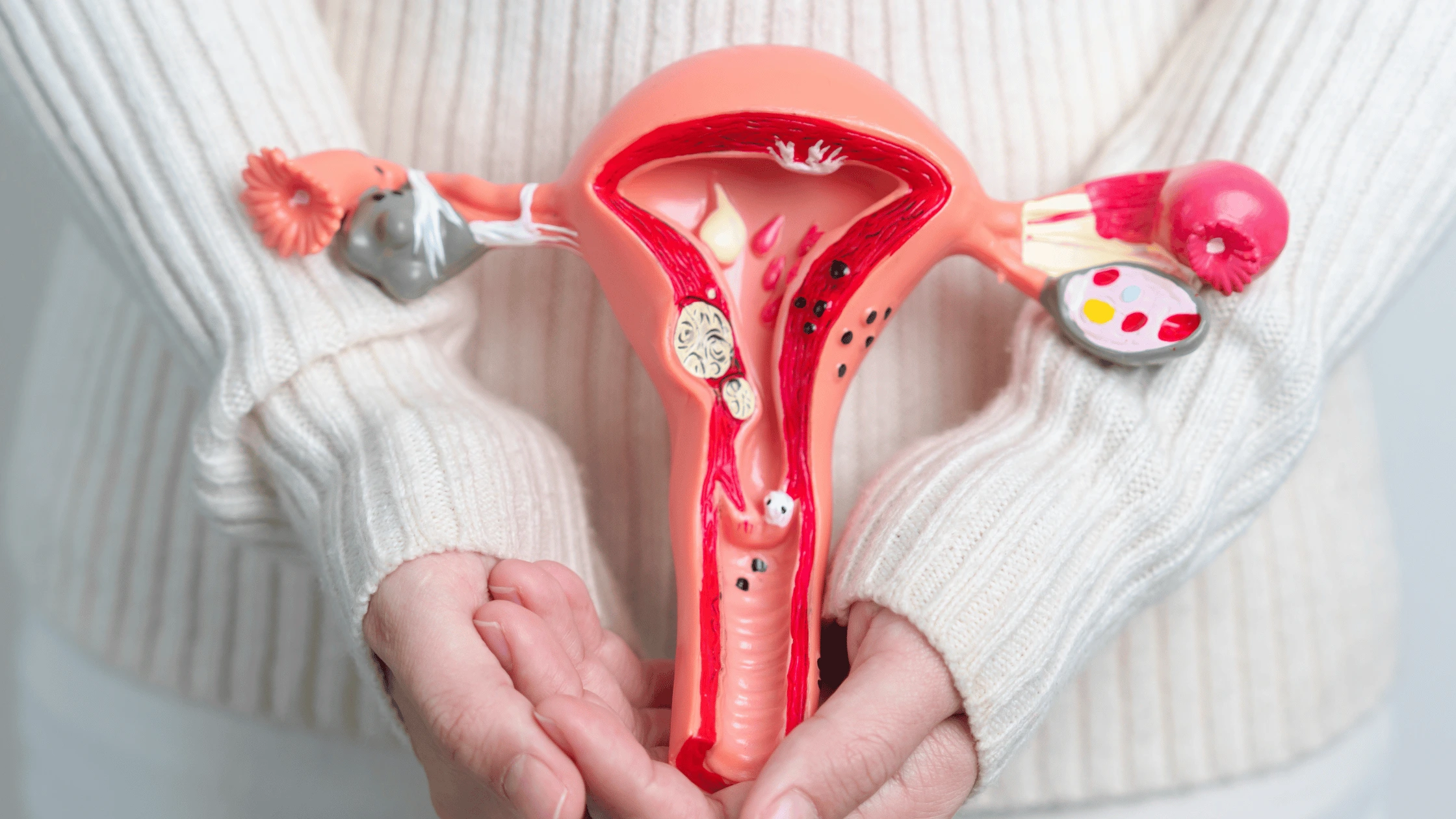
The name can cause confusion as well. You do not need to have ovarian cysts to receive a diagnosis. The small fluid-filled sacs sometimes seen during a pelvic ultrasound are immature follicles rather than the type of ovarian cyst that commonly causes pelvic pain.
Some medical sources now use the name polyendocrine metabolic ovarian syndrome (PMOS) to describe the reproductive, hormonal, and metabolic features of the condition more accurately. PCOS remains the term most patients and healthcare providers recognize.
What Does Fertility Testing for PCOS Involve?
No single test confirms every PCOS diagnosis or determines which treatment will lead to pregnancy. A reproductive endocrinologist reviews your symptoms, menstrual history, examination findings, hormone levels, and ultrasound results together.
PCOS does not always explain every factor affecting conception. A fertility evaluation also checks for concerns such as blocked fallopian tubes, changes in sperm count or movement, endometriosis, uterine conditions, and age-related changes in egg quality.
A fertility evaluation may involve:
- A review of your menstrual cycles, pregnancy history, medications, and family history
- Blood tests to assess hormone levels, thyroid function, blood sugar, and other possible causes of irregular periods
- A pelvic ultrasound to examine the ovaries and uterus
- Testing to determine whether the fallopian tubes are open
- A semen analysis when sperm will be used for conception
Testing also gives your physician a chance to review health factors that deserve attention before pregnancy. It is associated with a higher likelihood of insulin resistance, high blood sugar, high cholesterol, high blood pressure, sleep apnea, and endometrial concerns. These conditions do not affect every patient, but identifying them supports more informed treatment and pregnancy planning.
Because PCOS affects menstrual, metabolic, and reproductive health, discussing your symptoms and related health concerns with a healthcare provider is an important part of diagnosis and treatment planning.
Your results determine which treatment options make sense. Someone whose only identified concern is irregular ovulation may begin with oral medication. Another patient may need a different approach because of age, blocked fallopian tubes, sperm concerns, or previous treatment results.
Which PCOS Fertility Treatment Usually Comes First?
The ideas are accurate, but the section jumps too quickly from oral medication to monitoring, then to injections. This version keeps the links and explains the treatment sequence more naturally.
Which PCOS Fertility Treatment Usually Comes First?
For many patients, fertility treatment begins with ovulation induction. This approach uses medication to support follicle development and trigger the release of an egg, giving patients a more predictable opportunity to conceive through timed intercourse or intrauterine insemination (IUI).
Letrozole is generally considered the first-line medication for PCOS-related anovulatory infertility when testing has not identified another infertility factor. Clomiphene citrate is another oral medication used to stimulate ovulation, although current evidence generally favors letrozole for this group.
Once treatment begins, ultrasound and blood tests track follicle growth and hormone levels. If a follicle develops appropriately, a trigger injection may be used to time ovulation. The cycle then continues with timed intercourse or Intrauterine Insemination (IUI), depending on the treatment plan.
Monitoring is especially important for patients with PCOS because the ovaries sometimes respond strongly to fertility medication. Adjusting the dose based on follicle development reduces the chance of producing too many mature follicles, which increases the risk of multiple pregnancy or ovarian hyperstimulation syndrome.
If oral medication does not produce an adequate response, a fertility specialist may discuss injectable gonadotropins. These medications stimulate the ovaries more directly and require closer monitoring because they carry a higher risk of multiple pregnancy and ovarian hyperstimulation.
The treatment plan depends on how your ovaries respond, your age, test results, and whether another fertility factor is present. A fertility specialist will adjust the medication, dose, and timing rather than follow the same protocol for every patient.
How Do Lifestyle Changes Fit Into PCOS Fertility Treatment?
Lifestyle changes support ovulation and metabolic health, but they should not delay a fertility evaluation or leave someone feeling responsible for having the condition.
Regular physical activity, balanced nutrition, adequate sleep, and management of blood pressure or blood sugar support overall reproductive health. Strength training and aerobic exercise may also improve insulin sensitivity, which is relevant for many patients with PCOS.
For patients with a higher body weight who want to lose weight, a modest reduction may improve menstrual regularity and ovulation. Weight loss is not necessary or appropriate for everyone, and patients at lower body weights also experience irregular ovulation and infertility. Nutrition and exercise recommendations should reflect your medical history rather than follow a restrictive diet or fixed calorie target.
Medication may also address metabolic concerns. Metformin is sometimes prescribed when insulin resistance, prediabetes, or another blood sugar concern is present. It may improve insulin sensitivity and support more regular cycles, but it does not replace ovulation-induction medication for every patient who is trying to conceive.
Treatment also depends on whether pregnancy is the current goal. Birth control pills may regulate menstrual bleeding and reduce acne or unwanted hair growth when a patient is not trying to conceive. Because they prevent pregnancy while taken, they are used for symptom management rather than active fertility treatment.
When Is IUI Recommended for PCOS?
Intrauterine Insemination (IUI) combines controlled ovulation with the placement of prepared sperm inside the uterus near the time of egg release.
A fertility specialist may discuss IUI when ovulation medication produces an appropriate response and testing confirms that the fallopian tubes are open. IUI is also considered when testing identifies mild sperm concerns, when donor sperm is used, or when timed intercourse has not resulted in pregnancy.
During an IUI cycle, medication stimulates follicle growth, and monitoring identifies when ovulation is likely to occur. The laboratory prepares the sperm sample before a physician places the concentrated sperm into the uterus through a thin catheter.
IUI may be an appropriate option when ovulation medication produces a good response, the fallopian tubes are open, and sperm testing supports this approach. If other factors affect the chances of conception, or if previous treatment has not resulted in pregnancy, a fertility specialist may discuss IVF as another option.
The number of IUI cycles recommended varies and is dependent on your response to medication, age, diagnosis, and previous results.
When Does IVF Become the Recommended Option?
IVF is not automatically the first treatment for irregular ovulation. It becomes more relevant when test results or previous treatment outcomes reduce the likelihood of success with medication or IUI.
A physician may recommend IVF when:
- Oral or injectable medication has not produced an appropriate response
- Several monitored treatment cycles have not resulted in pregnancy
- Both fallopian tubes are blocked or damaged
- Testing identifies a substantial sperm factor
- Age or ovarian reserve supports a more direct treatment approach
- Embryo testing is being considered for a specific medical reason
During IVF, medication stimulates several follicles. A physician retrieves eggs from the ovaries, and the laboratory fertilizes them with sperm. An embryo is later transferred to the uterus.
Patients with PCOS sometimes produce a higher number of follicles during ovarian stimulation. The physician adjusts medication doses and monitors the ovaries closely to reduce the risk of ovarian hyperstimulation. Embryo-transfer planning also considers the goal of reducing multiple pregnancy risk.
No single IVF success rate applies to every patient. Outcomes depend on age, egg and sperm health, embryo development, uterine health, medical history, and treatment decisions. IVF is an option within a broader treatment plan, not the automatic choice for everyone with PCOS.
Does PCOS Affect Pregnancy After Conception?
Many women with PCOS have healthy pregnancies. PCOS is associated with higher rates of miscarriage, gestational diabetes, high blood pressure during pregnancy, and preeclampsia, but an increased risk does not mean you will experience one of these complications.
Preconception testing gives your physician an opportunity to review blood pressure, blood sugar, medications, and existing health conditions before fertility treatment begins. Once pregnancy occurs, your obstetric provider will decide whether you need additional monitoring.
Pregnancy recommendations should remain specific to your medical history. A PCOS diagnosis alone does not determine how your pregnancy will progress.
When Should You See a PCOS Fertility Specialist?
Many women with PCOS have healthy pregnancies. Before treatment begins, your fertility specialist may review blood pressure, blood sugar, medications, and other health factors to prepare for pregnancy and decide whether any additional monitoring is appropriate.
Once pregnancy occurs, your obstetric provider will use your medical history and test results to determine what follow-up you need. Some patients follow a routine prenatal schedule, while others need closer monitoring based on individual health factors.
A PCOS diagnosis does not determine how your pregnancy will progress. It gives your fertility and obstetric providers more information to guide care before and during pregnancy.
Discuss PCOS Fertility Treatment in Louisville
Irregular cycles do not explain why pregnancy has not happened, and a PCOS diagnosis does not determine which treatment you need. Testing may show that ovulation induction is an appropriate starting point. Other findings may support IUI, IVF, or treatment for an additional fertility concern.
Fertility & Endocrine Associates evaluates PCOS and infertility through hormone testing, ultrasound findings, tubal assessment, semen analysis, and a review of your health history. Your fertility specialist will use those findings to recommend PCOS fertility treatment based on your diagnosis and goals.
If irregular cycles, ovulation problems, or difficulty conceiving are affecting your plans, request a fertility consultation with Fertility & Endocrine Associates in Louisville.